Εμφάνιση αναρτήσεων με ετικέτα opera houses. Εμφάνιση όλων των αναρτήσεων

The Grandeur of Opera Houses: A Glimpse into Timeless Elegance

Opera houses stand as timeless symbols of cultural sophistication, captivating audiences with their architectural splendor and captivating performances. These esteemed venues have a rich history, dating back to the late 16th century, and continue to hold an esteemed place in the world of performing arts today. Let's delve into the fascinating world of opera houses and their enduring legacy.

Historical Significance

From the opulent Palais Garnier in Paris to the iconic La Scala in Milan, opera houses have been pivotal in shaping the cultural fabric of cities worldwide. With their origins deeply rooted in the European Renaissance, these institutions have witnessed the evolution of various operatic styles and performances over the centuries.

Architectural Marvels

The architectural prowess displayed in the construction of opera houses is nothing short of awe-inspiring. Characterized by intricate detailing, ornate interiors, and impeccable acoustics, these venues are designed to create an immersive experience for every patron. The fusion of neoclassical, baroque, and modern architectural elements showcases the artistic brilliance of the eras they were built in.


Cultural Impact

Opera houses serve as cultural hubs, fostering a deep appreciation for performing arts among diverse communities. They continue to attract a global audience, offering a diverse repertoire ranging from classic operas to contemporary productions, ballets, and orchestral performances. Their contributions to promoting cultural exchange and artistic expression cannot be overstated.

Contemporary Relevance

Despite their historical roots, opera houses have adeptly adapted to the demands of the modern world. They have embraced technological advancements, incorporating innovative stage designs, digital enhancements, and live streaming to reach a wider audience. This transition has helped sustain their relevance in the digital age, attracting a new generation of opera enthusiasts.

Global Icons

Several opera houses have achieved global iconic status, drawing enthusiasts and tourists alike. Whether it's the breathtaking Sydney Opera House with its distinctive sail-like design, or the majestic Metropolitan Opera in New York City, these architectural marvels have become synonymous with the cities they grace, leaving an indelible mark on the global cultural landscape.


Opera houses stand as living embodiments of cultural heritage, transcending time and geographical boundaries. They represent the pinnacle of artistic expression and continue to inspire generations with their timeless elegance and artistic grandeur. As they continue to evolve and adapt, opera houses will undoubtedly remain essential pillars of the global artistic community for generations to come.

Famous Opera Houses Around The World

An opera house is a theater specifically designed and built for the presentation of operas, which are musical dramas that are typically sung with accompanied by an orchestra. Opera houses typically feature a stage, seating for the audience, and an orchestra pit for the musicians.

There are many famous opera houses around the world, but some of the most renowned include:

La Scala in Milan, Italy: Founded in 1778, La Scala is considered one of the world's most famous and prestigious opera houses. It has hosted the premieres of many famous operas, including Verdi's "Nabucco" and "Aida."

The Metropolitan Opera in New York City, USA:
The Metropolitan Opera is one of the most famous opera houses in the United States and is known for its grand architecture and impressive performances.

The Royal Opera House in London, England: The Royal Opera House is the home of the Royal Opera and the Royal Ballet and is considered one of the most important opera houses in the world.

The Teatro Colon opera house in Buenos Aires
The Vienna State Opera in Vienna, Austria:
The Vienna State Opera is known for its impressive architecture and the high quality of its performances, and it has hosted many famous operas, including Mozart's "The Magic Flute" and "The Marriage of Figaro."

The Opéra Garnier in Paris, France: The Opéra Garnier is one of the most famous opera houses in the world, and its architecture is considered a masterpiece of the Second Empire style. It is home to the Paris Opera Ballet and the Paris Opera.

The Teatro Colon in Buenos Aires, Argentina: The Teatro Colon is considered one of the most important opera houses in Latin America, known for its impressive acoustics and the quality of its performances.

These are just a few examples of the many famous opera houses around the world, each with their own unique history, architecture, and performances.

Opera House The City's Jewel

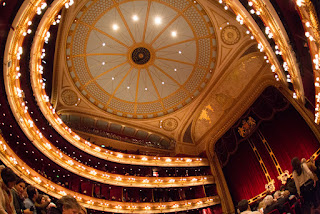
the internal of an opera house
The building of an opera house is a "jewel" for every country, indicating the  cultural wealth of a nation. Following, in most cases, classical lines in design and decoration - with heavy furniture and elaborate frescoes - or more austere design in the most modern buildings, Opera Houses around the world demonstrate the culture of the country where they are located.

The Teatro alla Scala, often referred to as La Scala, in Milan is one of the most famous opera houses in the world and is known as The Temple of Opera. It took its name from the homonymous square in Milan where it is located, Piazza della Scala. The main artistic events of the theater are opera, ballet performances and classical music concerts.

The Monaco opera house opened in 1879. The casino was also housed in the building, so the main entrance was through the casino, while for Prince Charles, whose idea it was to create an opera house, a private entrance was made on the west side of the building. In addition to performances, the hall and foyer are also used for receptions and galas.

The Mariinsky Theater of St. Petersburg is one of the greatest in the world, with a cultural history spanning more than two centuries. On its imposing stage, most of the operas of the great Russian composers and the most masterpiece ballets of the classical repertoire have premiered, while great composers, lyric singers, musicians, choreographers and dancers such as Chaliapin, Petipa, Niziinsky, Ulanova, Nureyev, Baryshnikov, Gergiev, Netrebko and many others.

An Evening To An Opera House

Vienna State Opera House
For many, an evening at an opera house brings to mind elegantly dressed audience members striding down plushly-carpeted corridors to take their seats in a gilded hall before the curtain rises on golden-voiced singers. Though it perhaps sounds more like a dream than reality, the world’s best opera houses are actually highly accessible, with many offering inexpensive ticket schemes or standing room. Here are the world’s top-notch opera houses, guaranteed to deliver an enriching experience from arrival to final encore. 

Let’s take a closer look at 2 of the top opera houses in world.

Vienna State Opera

The Wiener Staatsoper, which stands magnificently on the Ringstraße in Vienna, was built in the late 1860s during the last glorious days of the Habsburg Monarchy. The disputed neo-Renaissance structure features stunning arched corridors and profuse artistic embellishment. With cheap standing room tickets and daily concerts, everyone may enjoy some of the world's best musician, from the Vienna Philharmonic Orchestra to the best singers now playing. 

Royal Opera House

The Royal Opera was founded in 1946, just after World War II, and is Great Britain's leading opera organization. The company is housed in a Grade I listed structure that blends neo-classical colonnades with a spectacular glass and iron structure that was once part of Covent Garden's flower market. The Royal Opera, known for nurturing young singing talent, also frequently streams its operas into theaters throughout the world. The Royal Opera House provides a pleasant experience for every guest, with over 2,200 luxurious, deep red seats in the main theatre, vistas of Covent Garden's rooftops, and ice cream given during the intermission.


The Beginning Of Opera Houses

The notorious opera houses reached their peak of fame during the 17th century in central Europe and especially in the glorious city of Venice, in Italy. The word opera has its origins in the Latin language and means work. It is considered to be the king of the musical genres and especially for those who love classical compositions. This form of art combines in the most unique and perfect way three other forms, singing, drama and scenery. It is not uncommon in some plays to include a whole orchestra as well as dance performances. The subjects mainly have to do with tragedy and comedy. The opera houses are built in such a way that they enhance the acoustics and the quality of the sound. They have a one of a kind architecture that radiates elegance and grace. The seating and the whole arrangement of the place are very specific and distinct. The experience of such a musical performance is in itself a unique event. It even has an etiquette to follow. Specific dressing for enjoying an evening of quality and culture. In many cases, it is even possible to have a transcript of the verses in different languages or buy the recording of the play. In opera houses one will find the main stage, a particular place that hosts the orchestra, the seating area for the audience and of course the backstage area where the actors change and all the provisions for the play are kept.  


European Operas

Opera is an expensive spectacle that impresses the viewer. Today, more than ever, opera attracts more and more art lovers, who recognize it as one of the leading expressions of Western culture. 

One of the main characteristics of this special art is the language - Italian, French and German. In the beginning, there was no problem in the princely salons, as they were all well-educated and knowledge of these languages was taken for granted. However, in the 18th c. the ever-rising bourgeoisie wanted to become autonomous based on a system of commonly accepted values, independent of the power of both church and state. They wanted to understand what they saw in the theater, they asked for texts in their language and a spectacle less stereotypical than that offered by the serious Italian opera with its strictly geometric structure and mythological themes. 

The answer was given through what was called comic opera and was developed in all European countries. Its main features were the short dialogues in the respective national language, topics related to everyday life, much less elaborate music and singers with voices that corresponded to their gender. 

In the 19th c. opera shows gained unexpected power and therefore a new role. The new ideals that swept Europe like a storm facilitated the development of national music schools. The creation of nation-states presupposed common cultural origins. The comic opera of the 18th c. had paved the way that Romanticism made the most of. Adapted, the subject matter left the world of Greco-Roman antiquity and turned to historical or contemporary themes. In 1818 Munich, with a population of 54,000, acquired a new National Theater with 2,000 seats, the most modern European opera scene of the time.


Image Source: 

https://upload.wikimedia.org/wikipedia/commons/thumb/2/2b/Opera_ballet_theatre_Baku_main_hall_interior.jpg/1024px-Opera_ballet_theatre_Baku_main_hall_interior.jpg


Подматрачни рамки: Защо са важни за вашия сън?

Когато става въпрос за комфортен и здравословен сън, подматрачните рамки често се пренебрегват. Много хора обръщат внимание на матрака, но ...